As we age, our eyes change. Sometimes, surgery is needed to improve vision.
Many older adults face eye problems that surgery can help. From cataracts to glaucoma, there are several common procedures. These surgeries can improve daily life and independence. Understanding the options and what to expect is key. This blog will explore the most common eye surgeries for older adults.
We’ll discuss why they are needed and how they can help. Let’s dive into the world of eye health and see how these procedures can make a difference.
Introduction To Eye Surgery For Older Adults
Eye surgery for older adults often includes cataract removal and glaucoma treatment. These procedures can significantly improve vision and quality of life.
As we age, our vision often changes. Eye surgery can help improve sight. Many older adults face common eye issues. Surgery offers relief and improved quality of life.
Importance Of Vision Health
Good vision is vital for daily tasks. Reading, driving, and recognizing faces depend on clear sight. Poor vision can lead to falls and accidents. Regular eye check-ups ensure eye health. Early detection of eye issues can prevent vision loss.
Overview Of Common Eye Conditions
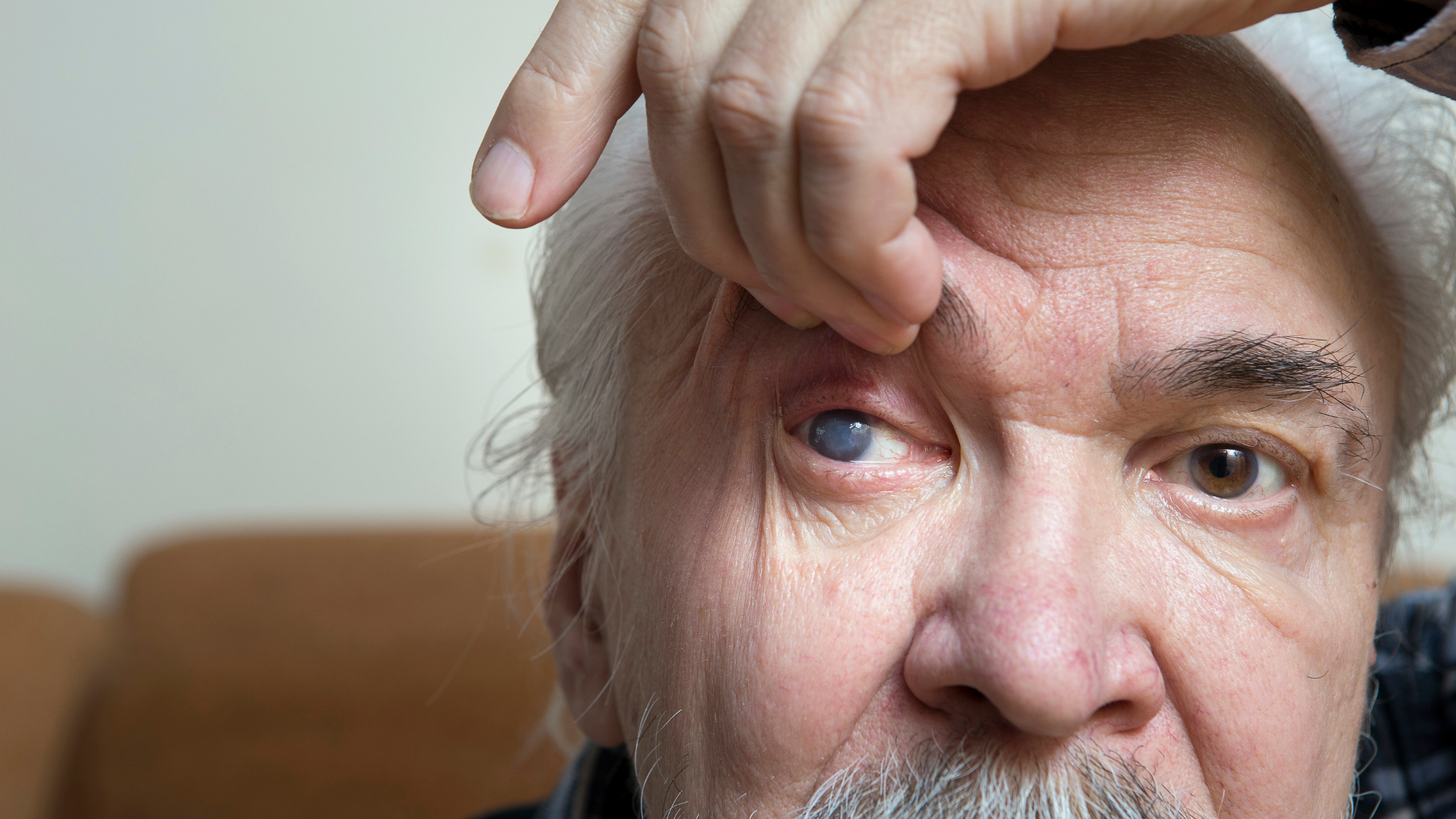
Many older adults experience cataracts. Cataracts cloud the eye’s lens, causing blurry vision. Surgery removes the cloudy lens. A clear artificial lens replaces it. Glaucoma is another common condition. It damages the optic nerve. High eye pressure is a common cause. Surgery can reduce this pressure and save vision. Age-related macular degeneration (AMD) affects central vision. It makes seeing fine details difficult. Laser surgery can help slow AMD’s progression. Diabetic retinopathy damages blood vessels in the retina. It occurs in people with diabetes. Laser treatment can stop or slow the damage. Regular eye exams and early treatment can help maintain good vision. Surgery offers solutions for many common eye problems. “`
Cataract Surgery
Cataract surgery is a common procedure for older adults. It helps restore vision affected by cataracts. Cataracts cloud the eye’s natural lens. This leads to blurry vision and difficulty seeing in low light. Surgery removes this cloudy lens and replaces it with a clear artificial one.
Symptoms And Diagnosis
Cataracts develop slowly. Early symptoms include blurry vision and glare from lights. Colors may appear faded. You may need frequent changes in eyeglass prescriptions. An eye doctor can diagnose cataracts with a simple eye exam. They use a slit-lamp microscope to check your lens for cloudiness. They may also perform a visual acuity test.
Surgical Procedure
Cataract surgery is typically an outpatient procedure. It usually lasts less than an hour. The surgeon makes a small incision in the eye. They use ultrasound waves to break up the cloudy lens. The pieces are then removed. The surgeon inserts a clear artificial lens, called an intraocular lens (IOL). The incision is small enough that stitches are not usually needed.
Recovery And Outcomes
Most people heal quickly after cataract surgery. You may experience mild discomfort for a few days. Avoid heavy lifting and strenuous activities during the first week. Your doctor will prescribe eye drops to prevent infection and reduce inflammation. Vision typically improves within a few days. Full recovery can take up to eight weeks. Most people achieve better vision post-surgery. Many can see clearly without glasses or with a reduced prescription.
Glaucoma Surgery
Glaucoma surgery can be a crucial procedure for older adults. This surgery aims to relieve pressure in the eye. Reducing this pressure can prevent further vision loss.
Understanding Glaucoma
Glaucoma is a group of eye conditions that damage the optic nerve. This damage often results from high eye pressure. Glaucoma can lead to loss of vision if not treated. It is one of the leading causes of blindness in older adults.
Surgical Options
There are several types of glaucoma surgeries. Laser trabeculoplasty is one common method. It uses a laser to open the drainage angle of the eye. Another option is trabeculectomy. This procedure creates a new pathway for fluid to leave the eye. Tube shunt surgery involves placing a small tube to help drain fluid. Each method has its benefits and risks.
Post-surgery Care
Post-surgery care is vital for a successful recovery. Patients must follow their doctor’s instructions closely. This often includes using prescribed eye drops. These drops help reduce inflammation and prevent infection. Regular follow-up visits are also important. These visits allow the doctor to monitor eye pressure and healing. Protecting the eye from injury during recovery is crucial. Avoid heavy lifting and strenuous activities.
Credit: www.coastaleyesurgeons.com
Age-related Macular Degeneration (amd) Surgery
Age-Related Macular Degeneration (AMD) Surgery is a common procedure for older adults. AMD affects the macula, the central part of the retina, which is responsible for sharp vision. This condition can lead to severe vision loss if not treated. Understanding the types of AMD, available treatment options, and the success rates and risks can help patients make informed decisions.
Types Of Amd
There are two main types of AMD:
Dry AMD: This is the more common form, where the macula thins over time.
Wet AMD: This type is less common but more severe. It involves abnormal blood vessels growing under the retina, which can leak fluid and blood.
Treatment Options
Several treatment options are available for AMD:
Anti-VEGF Injections: These medications can help reduce the growth of abnormal blood vessels in wet AMD.
Laser Therapy: This treatment uses light to destroy abnormal blood vessels. It is often used for wet AMD.
Photodynamic Therapy: A light-sensitive drug is injected into the bloodstream and activated by laser light. This helps to close abnormal blood vessels.
Nutritional Supplements: High doses of vitamins C and E, beta-carotene, zinc, and copper can help slow the progression of dry AMD.
Success Rates And Risks
The success rates and risks of AMD treatments vary:
Treatment
Success Rate
Risks
Anti-VEGF Injections
High
Eye infection, increased eye pressure
Laser Therapy
Moderate
Scarring, vision loss
Photodynamic Therapy
Moderate
Temporary vision loss, light sensitivity
Nutritional Supplements
Varies
Digestive issues, allergic reactions
Choosing the right treatment involves weighing the benefits against the risks. Consult with an eye specialist to determine the best course of action.
Laser Eye Surgery
Laser Eye Surgery is an increasingly popular procedure among older adults. It helps improve vision and reduces the need for glasses or contact lenses. This advanced procedure uses lasers to correct vision problems caused by aging. Many older adults find it beneficial and life-changing.
Eligibility Criteria
Not everyone is eligible for Laser Eye Surgery. Here are the main criteria:
Must be at least 18 years old
Have a stable vision prescription for at least one year
No major eye conditions like cataracts or glaucoma
Healthy eyes free from infections or injuries
Procedure Details
The procedure is quick and usually completed within 30 minutes. Here are the steps:
Local anesthesia is applied to numb the eyes
A special tool keeps the eyes open
The laser reshapes the cornea to correct vision
The eyes are examined to ensure proper correction
Most patients experience minimal discomfort during the procedure.
Potential Benefits
Laser Eye Surgery offers many benefits, including:
Improved vision clarity
Reduced dependence on glasses or contact lenses
Quick recovery time, often within a few days
Long-term results, with many patients experiencing improved vision for years
Preparing for eye surgery involves several important steps. Proper preparation can help ensure a smooth procedure and a quick recovery. This section will guide you through key aspects of preparing for eye surgery, making the process less daunting and more manageable.
Pre-surgery Consultations
Before the surgery, you will meet with your eye doctor. These consultations are essential. They help your doctor understand your medical history and specific needs. During these visits, ask any questions you may have. It is crucial to be clear about the procedure and what to expect.
Necessary Precautions
Taking the right precautions before surgery is vital. Your doctor will advise you on certain medications to avoid. You may need to stop taking blood thinners or other specific drugs. Follow all instructions carefully to reduce risks. Make arrangements for transportation on the day of surgery. You will not be able to drive yourself home.
Mental And Emotional Preparation
Mental and emotional readiness is as important as physical preparation. Feeling anxious before surgery is normal. Talk to your doctor about any fears. They can provide reassurance and information to ease your mind. Practice relaxation techniques like deep breathing or meditation. These can help calm your nerves and make the process smoother.
Post-surgery Care And Recovery
Cataract surgery is common for older adults, improving vision significantly. Post-surgery care includes rest, eye drops, and avoiding heavy lifting. Recovery typically takes a few weeks.
Eye surgery can significantly improve vision for older adults. Yet, proper post-surgery care is crucial for a smooth recovery. Following the doctor’s instructions helps ensure the best results and reduces complications.
Immediate Aftercare
Rest is essential right after eye surgery. Patients should avoid strenuous activities for at least a week. A protective shield might be provided to prevent accidental touching or rubbing of the eye. Using prescribed eye drops helps reduce inflammation and prevents infection. It’s normal to experience mild discomfort or itching. Avoid rubbing the eyes to prevent irritation. Keep the eye area clean by gently wiping with a clean, damp cloth. Follow the doctor’s guidelines on medication and rest.
Long-term Recovery Tips
Wearing sunglasses outdoors protects the eyes from harmful UV rays. This helps in reducing sensitivity to light. Avoid swimming pools and hot tubs for several weeks to prevent infection. It’s important to maintain a healthy diet rich in vitamins and minerals for eye health. Regular check-ups with the eye doctor ensure proper healing. Avoid heavy lifting and bending over to prevent pressure on the eyes. Following these steps aids in a quicker and safer recovery process.
Monitoring And Follow-up
Regular follow-up appointments allow the doctor to monitor healing progress. These visits help in detecting any complications early. Patients should report any unusual symptoms immediately. This includes severe pain, vision changes, or excessive redness. Keeping a recovery diary helps track symptoms and progress. This can be useful for discussions with the doctor. Staying informed about potential risks and signs of complications is key. This ensures a smooth recovery and maintains eye health long-term. “`
Enhancing Confidence Post-surgery
Enhancing confidence post-surgery is crucial for older adults who undergo eye surgery. Improved vision significantly impacts their quality of life. It allows them to regain independence and engage more fully in daily activities. This boost in confidence can lead to a happier and more fulfilling life.
Psychological Impact Of Improved Vision
Seeing clearly again can transform an older adult’s mental state. The ability to read, watch TV, or see loved ones’ faces enhances mood. Clear vision reduces feelings of isolation and helplessness. It fosters a sense of control over one’s life. This change can be profound and lasting.
Engaging In New Activities
Post-surgery, many older adults find joy in new hobbies. Clear vision allows for activities like gardening, knitting, or painting. They can also enjoy outings, such as walking in the park or attending events. These activities keep the mind engaged and the body active. They bring a sense of purpose and enjoyment.
Maintaining Eye Health
After surgery, maintaining eye health is vital. Regular check-ups with an eye doctor help ensure good vision. Following the doctor’s advice on eye care is important. Wearing sunglasses and eating a balanced diet also support eye health. These steps help in preserving the benefits of the surgery.
Choosing The Right Surgeon
Choosing the right surgeon is crucial for the success of eye surgery for older adults. It ensures better outcomes and minimizes risks. A skilled surgeon can make a significant difference in the recovery process. Here are some tips on how to select the best surgeon.
Researching Credentials
When selecting a surgeon, start by researching their credentials. Look for board certification. This indicates that the surgeon has met specific standards. Verify their training and education background. Make sure they have specialized training in eye surgery.
Consider their experience. A surgeon with many years of practice is preferable. Check if they have performed the specific surgery you need. Experience in the exact procedure is essential.
Patient Testimonials
Reading patient testimonials can provide valuable insights. Look for reviews on independent websites. Pay attention to comments about the surgeon’s skill and bedside manner. Positive feedback from patients is a good sign.
Source
Details
Independent Review Sites
Unbiased feedback from various patients
Personal Recommendations
Ask friends or family for their experiences
Talk to people who have undergone similar procedures. Personal experiences can be very helpful. They can give you a clear idea of what to expect.
Consultation Tips
Schedule a consultation with the surgeon. Prepare a list of questions to ask during the meeting. Here are some tips:
Ask about their experience with your specific surgery.
Inquire about the risks involved.
Discuss the recovery process in detail.
Observe how the surgeon communicates. They should explain everything clearly. A good surgeon will address all your concerns.
Check the facility where the surgery will take place. It should be equipped with modern technology. The staff should be professional and friendly. These factors contribute to a successful surgery and smooth recovery.
Credit: www.aoa.org
Frequently Asked Questions
What Are Common Eye Surgeries For Older Adults?
Cataract surgery, glaucoma surgery, and macular degeneration treatment are common eye surgeries for older adults. Each addresses specific conditions.
How Is Cataract Surgery Performed?
Cataract surgery removes the cloudy lens and replaces it with an artificial one. It restores clear vision.
Is Eye Surgery Safe For Older Adults?
Yes, eye surgery is generally safe for older adults. Doctors assess health before recommending surgery.
Conclusion
Eye surgery can greatly improve quality of life for older adults. Clearer vision enhances independence and daily activities. Discuss options with your doctor to find the best solution. Regular check-ups help detect problems early. Take care of your eyes to enjoy better vision as you age.
Remember, maintaining eye health is crucial for overall well-being. Stay informed and proactive about eye care.


Leave a Comment